A Homeowner's Guide to Preventing Ice Dams on Your Regina Roof
As winter settles over The Queen City, the sight of sparkling icicles hanging from rooftops is a familiar part of the scenery. While they might look beautiful, they can often be a warning sign of a serious problem brewing overhead: an ice dam. These ridges of ice at the edge of your roof can cause significant water damage, leading to costly repairs and major headaches for homeowners. Understanding what causes ice dams is the first step to protecting your home from the harsh realities of a Saskatchewan winter. In this guide, we'll break down what ice dams are, the damage they can cause, and most importantly, how you can prevent them from forming in the first place.
What Exactly Is an Ice Dam?
An ice dam isn't just a collection of icicles; it's a specific phenomenon with a clear cause. It all starts with uneven roof temperatures. Here’s how it happens:
- Heat Escapes: Warm air from your living space rises and escapes into your attic. If the attic isn't properly insulated and ventilated, this heat warms the underside of your roof deck.
- Snow Melts: The snow on the upper, warmer parts of your roof melts, even when the outside temperature is below freezing. This meltwater runs down the slope of your roof.
- Water Refreezes: When the water reaches the colder eaves (the edges of the roof that extend past the house), it refreezes. Over time, this ice builds up, creating a thick ridge or “dam.”
- Water Backs Up: With nowhere to go, the water pooling behind the ice dam is forced to back up under your shingles. From there, it can soak through the roof decking and leak into your attic, ceilings, and walls.
Essentially, those picturesque icicles are often a symptom of a roof that is losing heat, a problem that can lead to much more than just a pretty winter display.
The Hidden Dangers: What Ice Dams Can Do to Your Home
The immediate concern with an ice dam is a leaky roof, but the potential for damage runs much deeper. Homeowners often underestimate the long-term consequences, which can compromise the structural integrity and health of their home. Protecting your property means understanding the full scope of the risk.
- Water Damage: This is the most common issue. Water seeping into your home can ruin insulation (reducing its effectiveness), stain ceilings and walls, and damage drywall.
- Mold and Mildew: Once moisture gets into your attic and wall cavities, it creates the perfect breeding ground for mold and mildew. This not only causes structural rot but can also lead to serious health issues for your family.
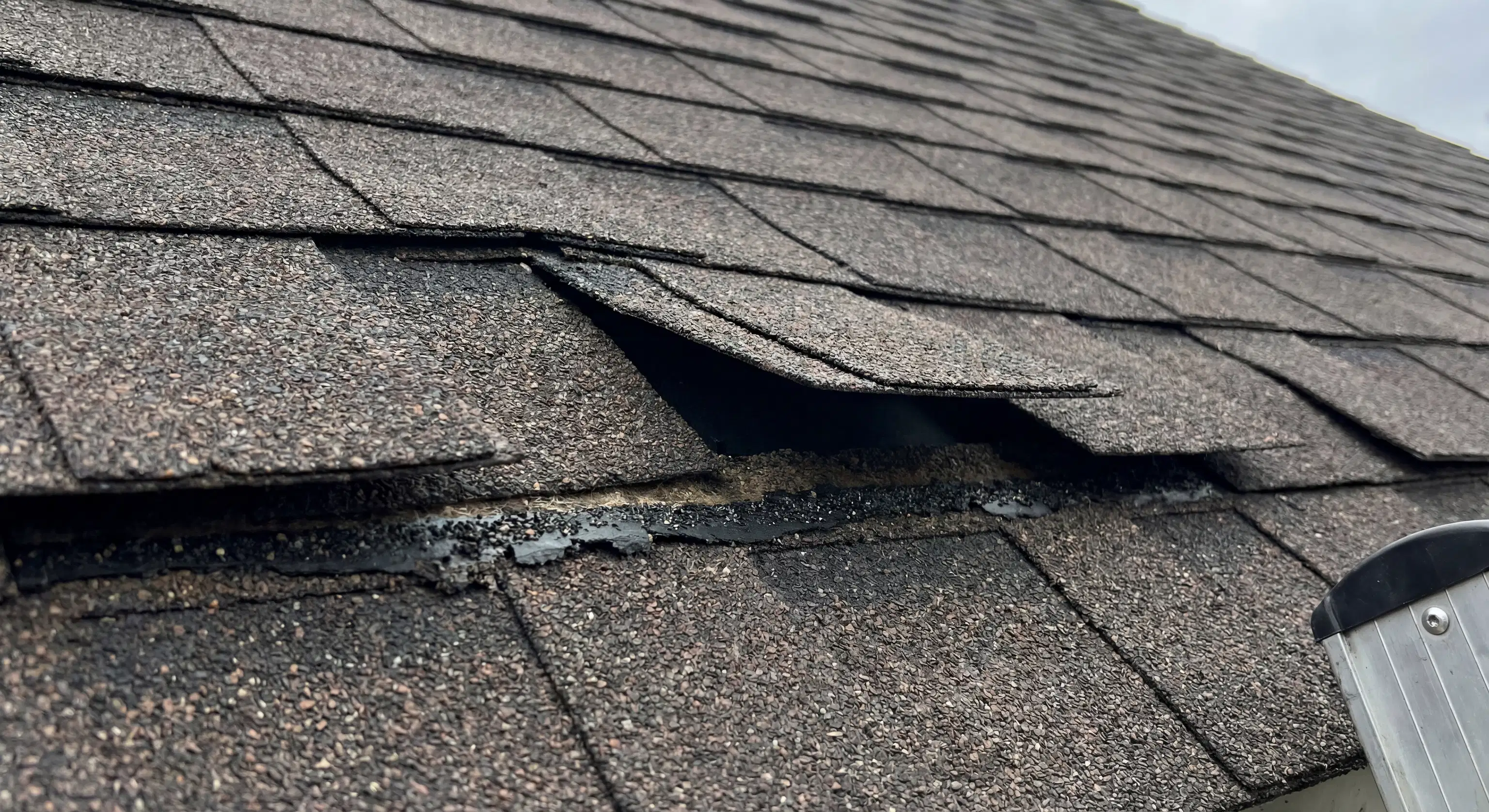
- Roof and Gutter Damage: The sheer weight of the ice can be immense. It can tear off gutters, loosen shingles, and saturate the roof sheathing. This damage often requires significant roof repair work once the snow melts.
- Reduced Energy Efficiency: The conditions that create ice dams—poor insulation and ventilation—mean you're already losing expensive heated air. The water-soaked insulation that results is even less effective, causing your energy bills to climb higher.
Prevention: The Best Defence Against Ice Dams
While dealing with an existing ice dam is sometimes necessary, the best strategy is always prevention. A properly functioning roofing system is designed to keep the entire roof surface cold, stopping the melt-and-refreeze cycle before it starts. This is achieved through a balanced approach to three key areas.
-
Proper Attic Insulation: A thick, even layer of insulation on your attic floor is your first line of defence. It works to keep the warm air from your living space where it belongs, preventing it from reaching the underside of your roof. This is crucial for maintaining a cold attic and roof deck.
-
Effective Roof Ventilation: As we often explain to clients, proper ventilation is one of the most critical components of a healthy roof. A well-ventilated system allows cold outside air to circulate through the attic, flushing out any warm air that does escape. This continuous airflow, typically moving from soffit vents (at the eaves) to ridge or gable vents (at the peak), ensures the roof deck stays uniformly cold.
-
Air Sealing: Small gaps and cracks can let a surprising amount of warm air into the attic. Sealing leaks around light fixtures, plumbing vents, chimneys, and attic hatches is a vital step in stopping heat loss and preventing the conditions that lead to ice dams.
A professional residential inspection can identify weaknesses in your home's insulation and ventilation system, providing a clear roadmap for preventing ice dams for good.
You Have an Ice Dam. What Should You Do?
If you already see an ice dam forming, it's important to act carefully to prevent further damage. Your first instinct might be to grab a ladder and a hammer, but this can do more harm than good.
What NOT to do:
- Don't chip or chisel the ice away. Using sharp tools can easily puncture or tear your shingles, creating a new leak.
- Don't use rock salt or calcium chloride. These chemicals can be corrosive, damaging your shingles, gutters, and the landscaping below.
- Don't get on a slippery, icy roof. The risk of a serious fall is extremely high and not worth it.
What you CAN do:
- Use a roof rake: If you can do so safely from the ground, use a long-handled roof rake to remove the snow from the first few feet of your roof's edge. Removing the snow (the fuel for melting) can help stop the ice dam from growing.
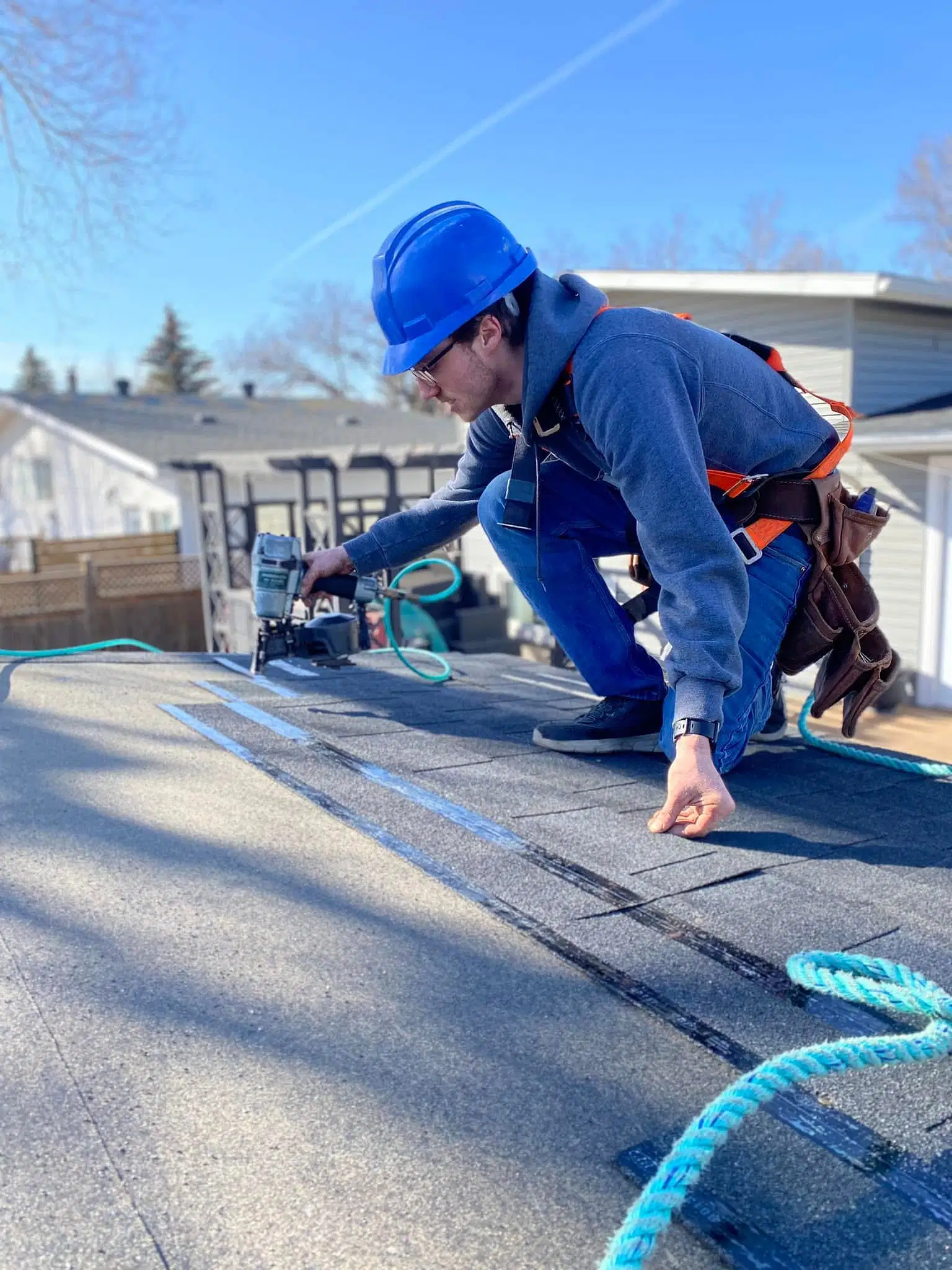
- Call a professional: The safest and most effective way to remove a large ice dam is to hire a professional roofing company. We use specialized equipment, like high-temperature steamers, to melt the ice quickly and safely without causing any damage to your roof.
Attempting a DIY fix can be dangerous and often leads to more extensive repairs. Trusting an expert ensures the problem is handled correctly.
Protect Your Home This Winter with NorCrest Roofing
Ice dams are more than just a winter nuisance; they are a clear sign that your roofing system isn't performing as it should. By focusing on the root causes—heat loss and inadequate ventilation—you can protect your home from water damage and ensure it's prepared to handle the heavy snow load and freezing temperatures of the prairies.
If you're seeing the warning signs of ice dams or want to ensure your home is protected before winter truly sets in, contact the team at NorCrest Roofing. We provide thorough assessments and lasting solutions for homeowners across the Regina area. Learn about our installation process and see why our status as a BP Certified Roofer gives our clients peace of mind. Schedule your professional residential inspection today and keep your home safe and dry all season long.