Breathe Easy: How Proper Roof Ventilation Can Lower Your Energy Bills
As a homeowner in Regina, you're no stranger to the challenges our climate presents. From sweltering summer days to frigid winters with heavy snowfall, our homes work hard to keep us comfortable. We often focus on windows, doors, and insulation when thinking about energy efficiency, but one of the most critical components working silently above our heads is the roof's ventilation system.
A properly ventilated roof does more than just let your house "breathe"; it's a crucial system that protects your home's structural integrity, extends the life of your shingles, and can significantly lower your monthly utility bills. It’s the unsung hero of a healthy, energy-efficient home. In this post, we'll explore why roof ventilation is so important for Saskatchewan homes and how to tell if yours is performing as it should.
Your Roof Needs to Breathe, Too: The Science of Ventilation
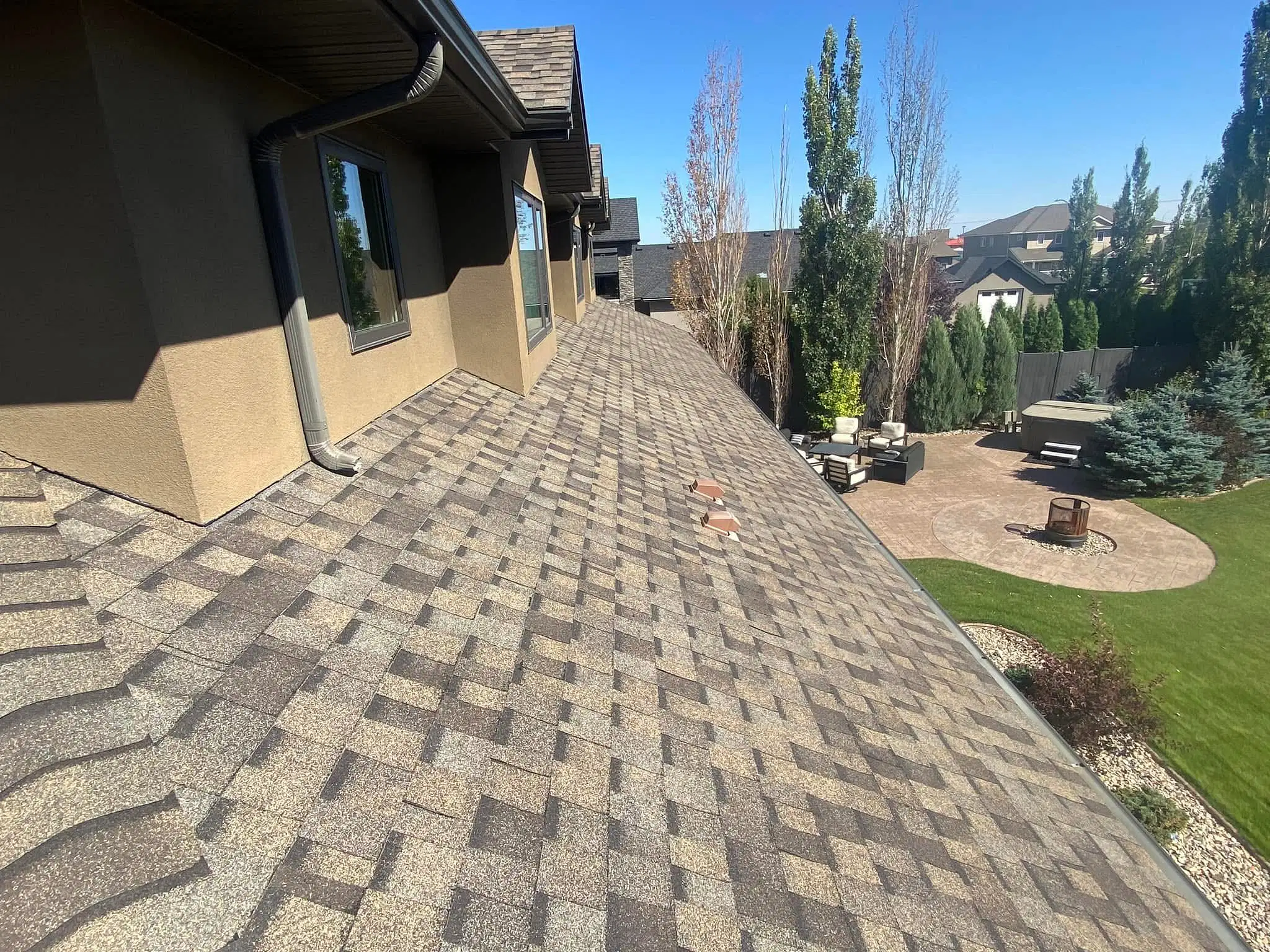
At its core, a roof ventilation system is designed to create a continuous, balanced flow of air through your attic space. It works on a simple principle: cool, dry air is drawn in through intake vents (usually located in the soffits under your eaves), and warm, moist air is pushed out through exhaust vents (often at the peak or ridge of the roof). This constant circulation is vital year-round.
-
In the Summer: The sun beats down on your roof, turning your attic into an oven. Without proper ventilation, this trapped heat can radiate down into your living spaces, forcing your air conditioner to work overtime and driving up cooling costs. A well-ventilated attic allows this super-heated air to escape, keeping your home cooler and more comfortable.
-
In the Winter: The goal shifts from expelling heat to managing moisture and preventing ice dams. Warm, moist air from daily activities like cooking and showering rises into the attic. If trapped, this moisture can condense on the cold underside of the roof deck, leading to mold, mildew, and wood rot. Furthermore, a warm attic can melt the snow on your roof. This meltwater runs down to the colder eaves and refreezes, creating destructive ice damming that can force water back up under your shingles and into your home.
The Hidden Costs of an Unbalanced System
When a roof can't breathe properly, the symptoms aren't always obvious until significant damage has occurred. An imbalanced or blocked ventilation system can be one of the costliest issues a homeowner can face, often leading to problems that are mistakenly blamed on the roofing materials themselves.
Here are some common signs that your home’s ventilation system may be struggling:
- Persistently High Energy Bills: If your heating and cooling costs seem unusually high despite having good insulation, your attic might be working against your HVAC system.
- Noticeable Ice Dams in Winter: Thick ridges of ice along your eaves are the most visible sign of a warm attic and poor ventilation.
- Premature Shingle Damage: Trapped attic heat can essentially bake your shingles from below, causing them to become brittle, curl, and lose their protective granules long before their expected lifespan is over.
- Frost or Moisture in the Attic: During a cold snap, check your attic. If you see frost on the underside of the roof sheathing or signs of dampness, it's a clear indicator that moist air is being trapped.
- Warped Siding or Peeling Exterior Paint: Excess heat and moisture escaping through the walls instead of the roof can cause paint and siding to fail prematurely.
Achieving the Perfect Balance for Your Home
Ensuring your roof is energy efficient isn't just about installing a few vents; it's about creating a custom, balanced system tailored to your home's specific design. At NorCrest Roofing, we understand that proper ventilation is the foundation of a long-lasting, high-performance roof. As we've told many clients, true energy efficiency comes from a complete roofing system working in harmony.
Our approach begins with a thorough residential inspection. We don't just look at your shingles; we assess your entire attic space, calculating the precise amount of intake and exhaust ventilation required based on industry standards and your home's unique structure. We check for blocked soffits, inadequate venting, and signs of moisture buildup.
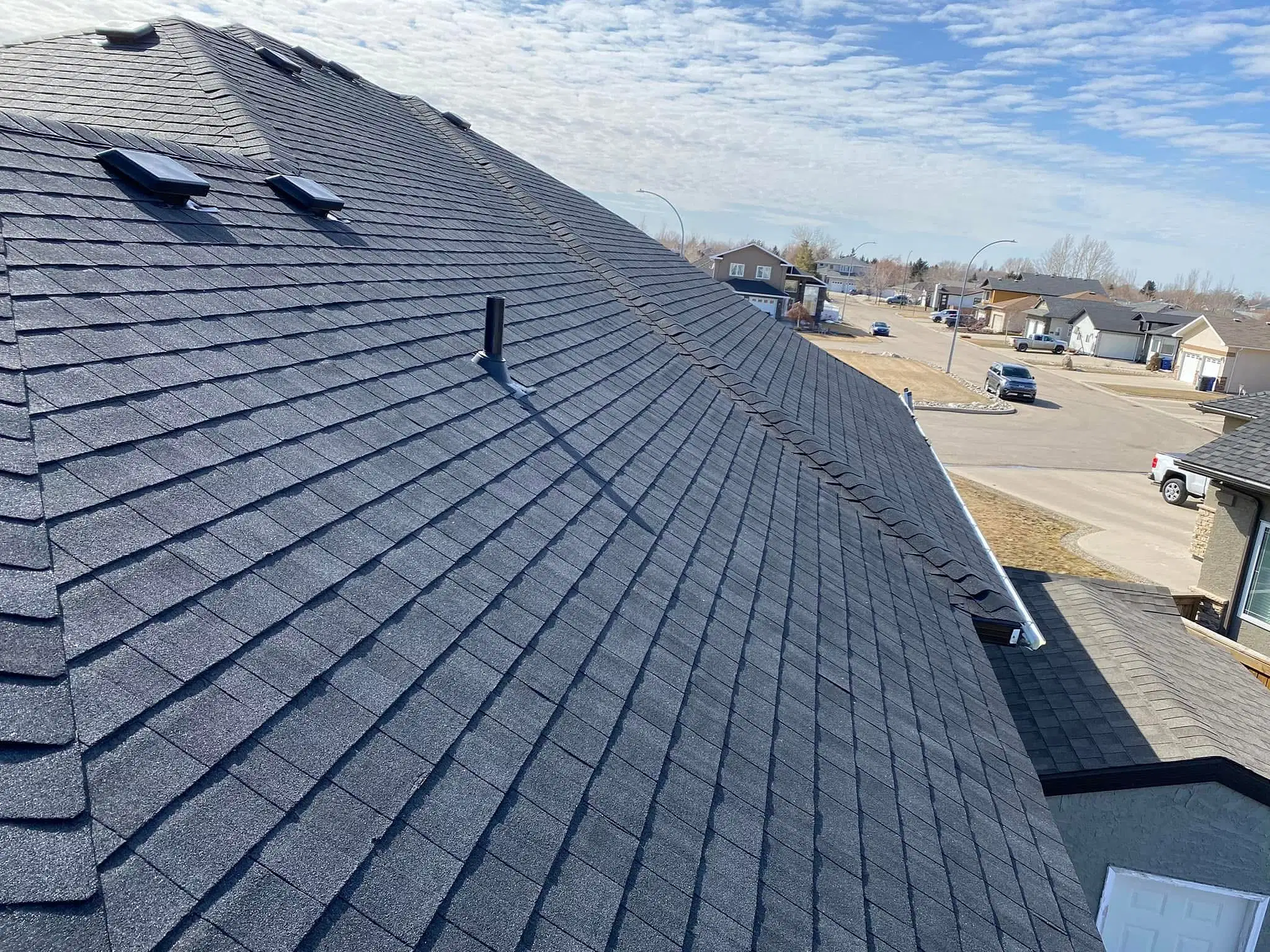
During a roof replacement, we integrate the ventilation solution directly into our installation process. This ensures that every component, from the ice and water shield to the final ridge cap, contributes to a healthy, breathable, and energy-efficient system that can stand up to the prairie winds and harsh seasonal shifts.
Invest in Comfort and Long-Term Savings
A well-ventilated roof is a smart investment that pays for itself over time through lower energy bills, fewer repairs, and a longer-lasting roofing system. It protects your biggest asset from the inside out, ensuring your family stays comfortable and your home remains healthy for decades to come.
If you've noticed any of the warning signs or are concerned about your home's energy performance, don't wait for a small issue to become a major expense. Contact the experts at NorCrest Roofing today. We provide comprehensive Roof Replacement and Residential Inspection services throughout the Regina area and can help you create a roofing system that is built to last.