Your Flat Roofing Questions Answered: A Guide for Regina and Saskatoon Property Owners
Flat roofs are a common sight on commercial buildings across Regina and Saskatoon and are becoming an increasingly popular choice for modern homes. Their sleek aesthetic and practical use of space make them an attractive option, but they also come with a unique set of questions. How do they handle our heavy snow? What materials can withstand the prairie winds and hail?
Whether you're a business owner or a homeowner in either city considering a flat roof, you need clear, reliable information. At NorCrest Roofing, we believe in transparency and empowering our clients to make informed decisions. This guide will answer the most frequently asked questions about flat roofing systems, helping you understand the benefits, maintenance, and materials best suited for our unique Saskatchewan climate.
Understanding Flat Roof Fundamentals
Before diving into the technical details, let's cover the basics. Understanding why property owners choose flat roofs and which materials work best here is the first step.
What are the main benefits of a flat roof?
Flat roofs offer several distinct advantages. For commercial properties, they provide an ideal, accessible space for housing large HVAC units and other equipment. For residential homes, they can be transformed into rooftop patios or green spaces. From a construction standpoint, they are often faster and more affordable to install than complex sloped roofs. Their simple design also makes inspections and repairs more straightforward.
What roofing materials are best for the climate in Regina and Saskatoon?
Living in what's known as "hail alley" means material durability is non-negotiable. We also face intense sun, strong prairie winds, and the freeze-thaw cycles brought on by the occasional chinook. For flat roofs, we recommend high-performance materials designed to withstand these challenges:
- TPO (Thermoplastic Olefin): A popular, energy-efficient choice known for its durability and resistance to punctures, tears, and UV rays. Its reflective surface can help reduce cooling costs in the summer.
- PVC (Polyvinyl Chloride): Another robust option, PVC is highly resistant to chemicals, fire, and wind. Its welded seams create a watertight, monolithic membrane, offering superior protection against leaks.
- Modified Bitumen: This is an asphalt-based system designed for low-slope roofs. It's installed in multiple layers, providing excellent waterproofing and toughness, making it a reliable choice for handling heavy snow loads.
Performance, Drainage, and Maintenance
A common concern for property owners is how a seemingly flat surface manages the elements. Proper design and regular upkeep are the keys to a long-lasting, high-performing flat roof.
How do flat roofs handle rain and melting snow?
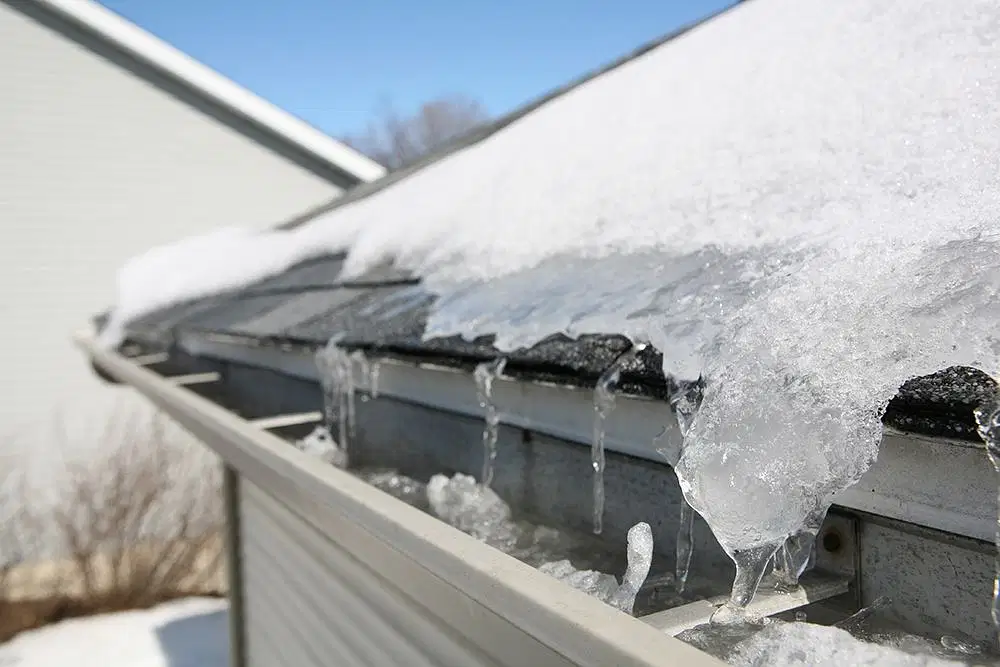
Despite the name, flat roofs aren't perfectly level. They are always designed with a slight, almost imperceptible slope that directs water toward drainage points. These can include internal drains, scuppers (openings in the side walls), and gutters. This engineered slope is crucial for preventing pooling water, which can lead to leaks and structural strain, especially from ice damming in the winter.
Are flat roofs more prone to leaks?
This is a common myth. A flat roof installed correctly by a certified, experienced team is no more prone to leaks than a sloped roof. The vulnerability comes from improper installation, poor seam work, or neglected maintenance. That's why choosing a qualified contractor who understands the specifics of these systems is essential for ensuring a watertight seal that protects your property for decades.
What kind of maintenance does a flat roof require?
Proactive maintenance is the best way to maximize your roof's lifespan. We recommend at least two inspections per year—once in the spring and once in the fall. During these checks, a professional should:
- Clear all debris from the roof surface and drainage systems.
- Inspect seams, flashing, and seals for any signs of wear or damage.
- Look for punctures, blisters, or soft spots in the membrane.
Regular maintenance helps catch small issues before they become costly problems, ensuring your roof remains in top condition.
Installation, Lifespan, and Your Investment
When considering a new flat roof, it's important to think about the long-term value. The quality of the installation directly impacts the roof's longevity and overall performance.
How long does a flat roof last in Saskatchewan?
The lifespan of a flat roof depends heavily on the material chosen and the quality of both the installation and ongoing maintenance. Generally, you can expect:
- Modified Bitumen: 15-20 years
- TPO & PVC: 20-30+ years
Investing in a higher-quality material and a professional installation process can significantly extend the life of your roof, providing better long-term value and peace of mind.
What does the installation process involve?
A professional flat roof installation is a meticulous process. It begins with preparing the substrate, ensuring it's clean, dry, and stable. Layers of insulation and cover board are then installed before the final membrane is rolled out. Depending on the system, the membrane is either mechanically fastened, fully adhered with adhesive, or heat-welded at the seams to create a continuous, waterproof barrier. You can learn more about our detailed approach on our installation process page.
Trust NorCrest Roofing With Your Flat Roof Needs
Flat roofs are a durable, efficient, and modern solution for many properties in Regina and Saskatoon, but their success hinges on expert installation and care. From selecting the right materials to handle our climate to ensuring flawless execution, every step matters.
If you have more questions or need a professional assessment of your property, our team is here to help. Whether you require a simple roof repair, a full roof replacement, or a system for a new construction install, we provide transparent, reliable service. Contact NorCrest Roofing today for a comprehensive inspection and a no-obligation quote.