Your Top Questions About Rubber Roofing Answered
When considering a new roof for your home, especially for flat or low-slope sections, you've likely come across rubber roofing as an option. Known for its durability and modern aesthetic, rubber roofing (often called EPDM) is an increasingly popular choice for homeowners in Regina. But what exactly is it, and is it the right fit for our unique Saskatchewan climate?
At NorCrest Roofing, we get a lot of questions about this robust material. To help you make an informed decision for your home, we've compiled answers to some of the most frequently asked questions about rubber roofing.
The Fundamentals: Durability, Lifespan, and Weather Resistance
Understanding the core benefits of rubber roofing is the first step in seeing if it's the right choice for protecting your biggest investment.
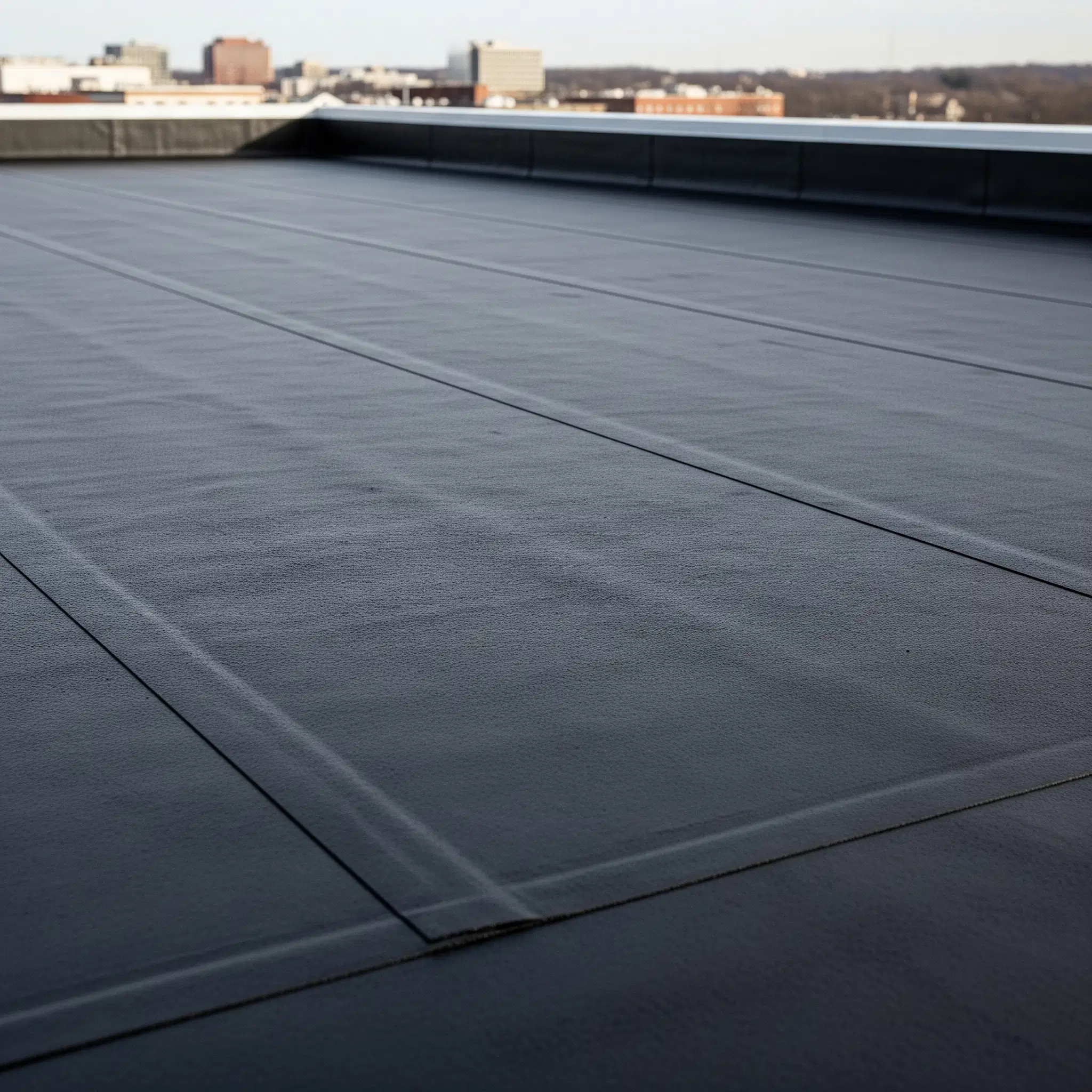
What is rubber roofing? Rubber roofing is a synthetic membrane, most commonly made from EPDM (Ethylene Propylene Diene Monomer). It's engineered to be extremely durable and flexible, making it an ideal solution for flat and low-slope roofs where traditional shingles aren't effective. It creates a seamless, waterproof barrier against the elements.
How long does a rubber roof last? One of the biggest advantages of rubber roofing is its incredible longevity. A professionally installed EPDM roof can easily last between 30 and 50 years, often outliving many other roofing materials. This long lifespan makes it a fantastic long-term investment in your property.
How does it handle Saskatchewan's extreme weather? From the intense summer sun and hailstorms in 'Hail Alley' to the heavy snow and deep freezes of winter, a roof in our region takes a beating. Rubber roofing is exceptionally well-suited for these challenges. It resists UV degradation, remains flexible in extreme cold without cracking, and can withstand significant impacts, offering superior protection year-round.
Is it an environmentally friendly option? Yes, it is. Many EPDM roofing products are made from recycled materials. At the end of their very long life, they are also fully recyclable, which reduces landfill waste. Their excellent insulating properties can also help lower your home's energy consumption for heating and cooling.
Installation, Maintenance, and Efficiency
Beyond its durability, homeowners are often curious about the practical aspects of owning a rubber roof.
Can rubber roofing be installed over an existing roof? In some situations, yes. Installing a rubber membrane over an existing roof can save time and reduce the cost of a full tear-off. However, this depends entirely on the condition of the current roof and underlying structure. A thorough professional inspection is essential to determine if this is a safe and viable option for your home.
What kind of maintenance does it require? Rubber roofing is valued for being incredibly low-maintenance. Periodic inspections to ensure the surface is clear of debris and that seams and seals around vents or chimneys are intact is usually all that's needed. Its simple maintenance routine is a major plus for busy homeowners.
Will a rubber roof help with my energy bills? Absolutely. Rubber roofing provides an extra layer of insulation for your home. This helps keep your home warmer during our cold winters and cooler in the summer, leading to noticeable savings on your energy bills over time.
Cost, Style, and Project Timelines
Finally, let's look at the aesthetics and financial considerations of choosing a rubber roof.
What are my style and color options? While traditional EPDM roofing is black, modern advancements have introduced more variety. Today, you can find rubber roofing in different colors, including lighter shades that can help reflect sunlight. There are even options available that are textured to mimic the appearance of slate or other shingle types.
Is rubber roofing a cost-effective choice? While the initial investment for a rubber roof can be higher than for some traditional materials like asphalt shingles, its exceptional lifespan and minimal maintenance costs make it a very cost-effective solution in the long run. You're paying for decades of worry-free protection.
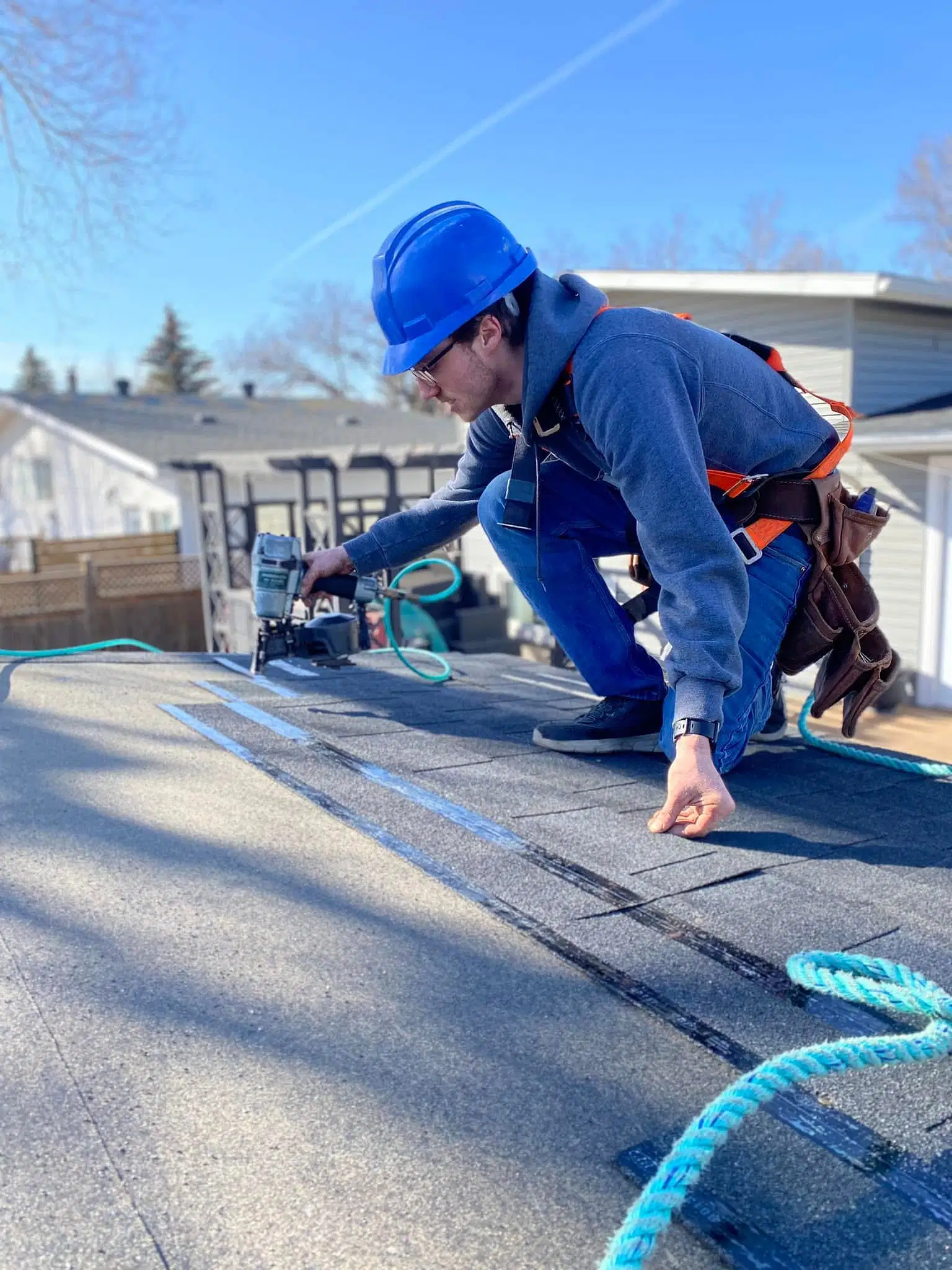
How long does installation take? Because rubber roofing is often installed in large sheets, the installation process can be faster than for materials that must be laid individually, like shingles. The exact timeline will depend on the size and complexity of your roof, but it's generally a very efficient process.
Is a Rubber Roof Right for Your Home?
Rubber roofing offers a powerful combination of durability, longevity, and low maintenance, making it an excellent choice for many homes in Regina and Saskatoon, especially those with flat or low-slope rooflines. It stands up to our toughest weather while helping to improve your home's energy efficiency.
If you're considering a roof replacement or planning a new construction install, the team at NorCrest Roofing is here to help. Contact us today for a free, no-obligation estimate and to discuss whether a rubber roof is the perfect solution for your home.