Roof Repair or Replacement? A Regina Homeowner's Guide
Your roof is your home's first line of defense against the harsh Saskatchewan elements. From the relentless prairie winds to the hailstorms that give our region its "Hail Alley" nickname, your roof takes a beating year after year. So when you spot a curled shingle or a mysterious water stain on your ceiling, it’s natural to wonder: is this a simple fix, or am I looking at a full replacement? It's one of the biggest decisions a homeowner in Regina has to make. Making the right choice not only protects your home but also your long-term financial investment. This guide will walk you through the key factors to consider, helping you determine whether a targeted roof repair or a complete roof replacement is the best course of action for your property.
Key Signs Your Roof Needs Attention
Before you can decide on a solution, you need to accurately diagnose the problem. Some warning signs are obvious, while others are more subtle. Here’s what to look for:
- Age of the Roof: Most asphalt shingle roofs have a lifespan of 15-25 years. If your roof is approaching or has surpassed the 20-year mark, it’s more likely to require a full replacement, even if the damage seems minor. An older roof is simply more prone to widespread failure.
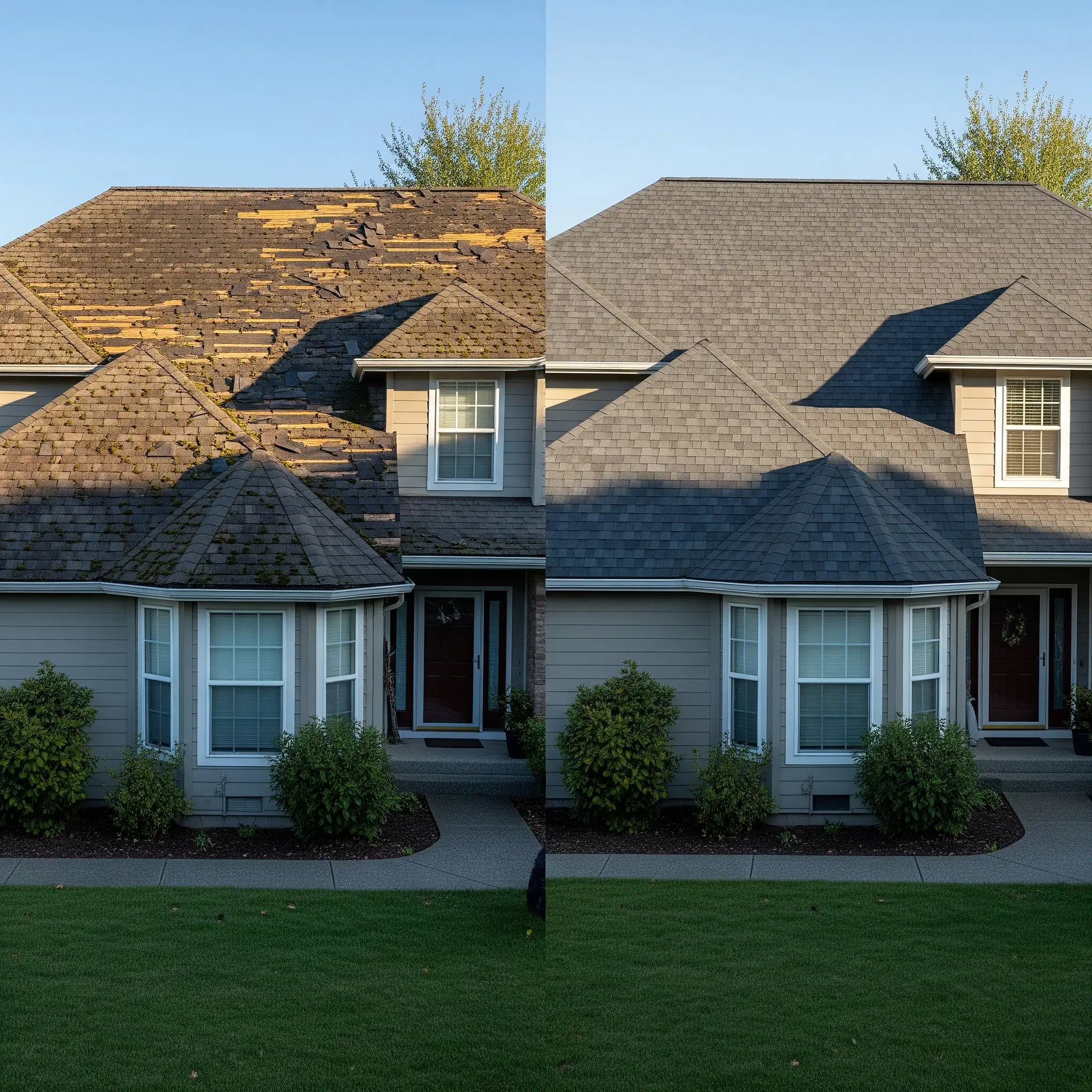
- Shingle Condition: Take a close look at your shingles. Are they curled at the edges, cracked, or buckling? Are there bald spots where the protective granules have worn away? You might also notice a significant amount of these dark granules in your eavestroughs. These are all signs that the shingles are past their prime and no longer providing adequate protection.
- Missing Shingles: While one or two missing shingles after a major windstorm can often be repaired, widespread missing shingles point to a more systemic problem with the roof's ability to withstand our climate.
- Leaks and Water Damage: The most alarming sign is evidence of water inside your home. Look for water stains on ceilings or walls, damp spots in your attic, or peeling paint near the roofline. A leak can be caused by a localized issue, but it can also indicate a more serious failure of the roof's underlayment and flashing.
Making the Call: When to Repair vs. When to Replace
Once you've assessed the condition of your roof, you can start to weigh your options. The decision typically comes down to the age of your roof and the extent of the damage.
Choose Roof Repair If:
A roof repair is often the most cost-effective solution for newer roofs with limited damage. Consider a repair if:
- The Damage is Localized: The problem is confined to a small area, such as a few missing shingles from a windstorm or a leak around a single vent or chimney flashing.
- Your Roof is Relatively Young: If your roof is less than 15 years old and has been well-maintained, it likely has many years of life left. A targeted repair can address the immediate issue without the expense of a full replacement.
- You Have a One-Time Leak: A single, isolated leak was caused by a specific event (like hail damage to a vent) and the rest of the roof is in excellent condition.
Choose Roof Replacement If:
A full roof replacement is a significant investment, but it's the right choice when the roof's structural integrity is compromised. It's time for a replacement if:
- The Damage is Widespread: More than 30% of your roof is damaged, or you have recurring problems and multiple leaks across different areas.
- Your Roof is Old: As mentioned, if your roof is over 20 years old, a replacement is often a wiser investment than spending money on repairs that won't last.
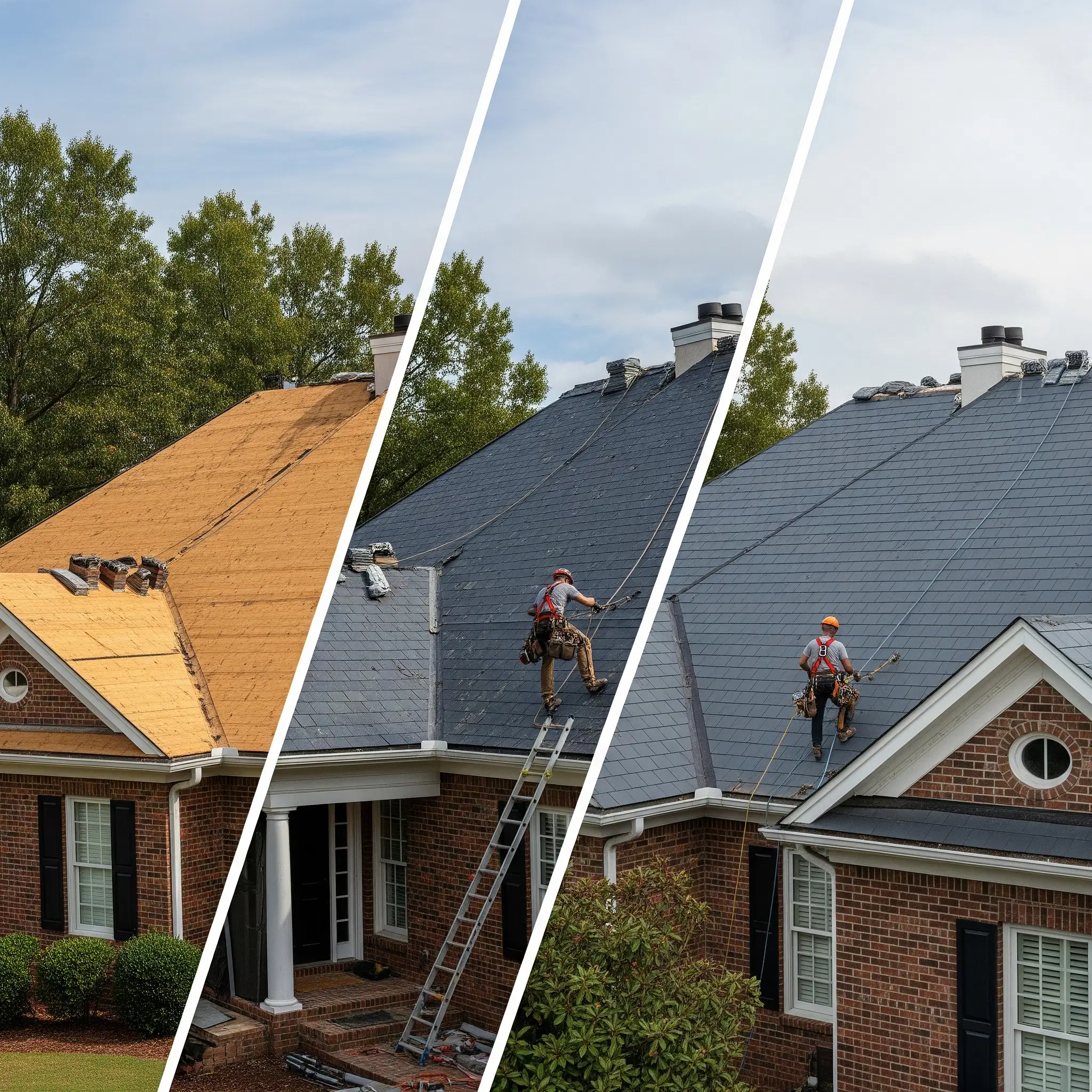
- You're Dealing with Moisture or Rot: If an inspection reveals soft or spongy spots on your roof deck, it's a sign of moisture damage. This requires removing all the old materials to repair the underlying structure before installing a new roof system.
- You Want Long-Term Peace of Mind: A new roof from NorCrest comes with a 50-year extendable warranty, ensuring your home is protected for decades to come. It also improves curb appeal and increases your home's resale value.
The Best First Step: A Professional Inspection
While this guide provides a good starting point, nothing can replace the expert eye of a certified roofing professional. An experienced roofer can identify underlying issues that aren't visible from the ground and give you a clear, honest assessment of your roof's condition. At NorCrest Roofing, we provide complete transparency in our quotes, detailing the materials, installation process, and crew qualifications so you know exactly what you're getting.
Making the right decision for your roof is crucial for protecting your biggest investment. Whether it's a straightforward repair or a full replacement, our team is here to provide durable, high-quality solutions tailored to the unique challenges of our Saskatchewan climate.
If you're unsure about the state of your roof, don't wait for a small problem to become a major disaster. Contact NorCrest Roofing today for a free, no-obligation estimate and let our experts provide the peace of mind you deserve.