A Homeowner's Guide: Preparing Your Roof for a Saskatchewan Winter
As the leaves turn and the air gets crisp across Regina, every homeowner knows what’s just around the corner: a classic Saskatchewan winter. While we’re stocking up on salt and getting the snow tires on, it's crucial not to overlook the most important shield protecting your home—your roof. The combination of heavy snow, freezing temperatures, and those notorious prairie winds can turn a small, unnoticed issue into a major headache. Preparing your roof before the first significant snowfall isn't just a good idea; it's an essential step in protecting your biggest investment. At NorCrest Roofing, we've seen firsthand how a little proactive maintenance can provide homeowners with peace of mind all winter long. This guide will walk you through the key steps to ensure your roof is ready to handle everything the season throws at it.
Step 1: Clear Debris and Trim Overhanging Branches
Your first line of defense is a clean slate. Over the fall, leaves, twigs, and other debris inevitably collect in your gutters and on your roof's surface. This buildup can cause serious problems once moisture and freezing temperatures arrive.
-
Clean Your Gutters and Downspouts: Clogged gutters are the primary cause of ice damming. When melting snow can't drain properly, it refreezes at the edge of your roof, creating a dam of ice. Water then pools behind this dam and can seep under your shingles, leading to leaks, damaged insulation, and even interior water damage. Ensure your gutters are completely clear to allow for a free flow of water away from your home.
-
Trim Overhanging Trees: Heavy snow and ice can weigh down tree branches, causing them to snap and fall onto your roof. A significant impact can crack shingles, damage flashing, or worse. Proactively trimming any branches that hang over your roofline is a simple safety measure that prevents costly damage during a winter storm.
Step 2: Conduct a Visual Inspection for Vulnerabilities
Before the snow flies, take a walk around your property and, if you can do so safely from the ground with binoculars, take a close look at your roof's surface. You're looking for any signs of wear and tear that could become a serious problem under the stress of winter.
-
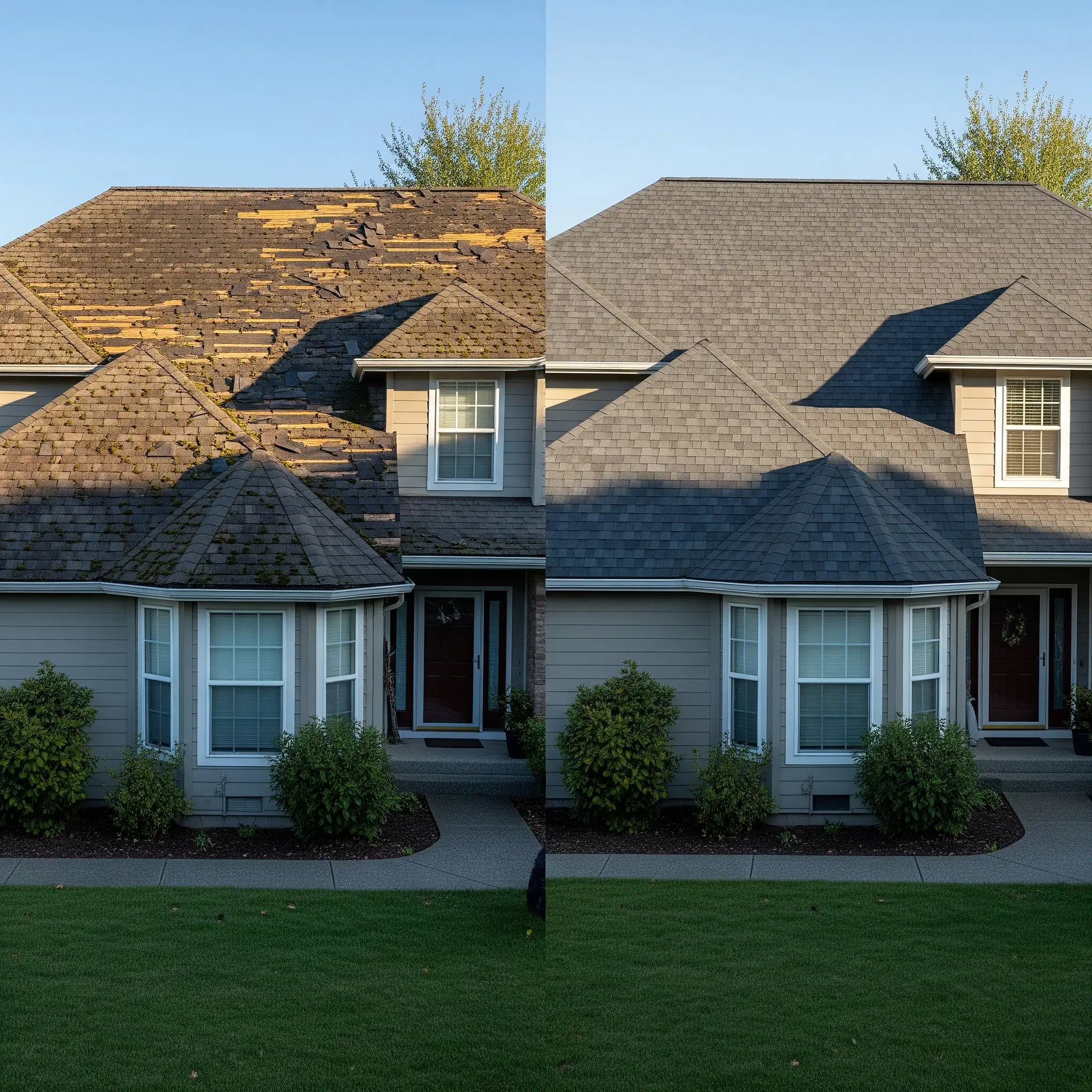
Look for Damaged Shingles: Check for any shingles that are cracked, curling, or missing entirely. The strong prairie winds we experience can lift and loosen shingles over time, creating entry points for melting snow and ice.
-
Examine Flashing and Seals: Flashing is the metal material around chimneys, vents, and skylights. Ensure it is secure and that the sealant around it is intact. Compromised flashing is one of the most common sources of roof leaks.
-
Check for Pests: Small animals often seek shelter from the cold. Look for any signs of nests or entry points in your soffits or near the roofline. They can cause significant damage to your roof structure and insulation.
Step 3: Schedule a Professional Roof Inspection
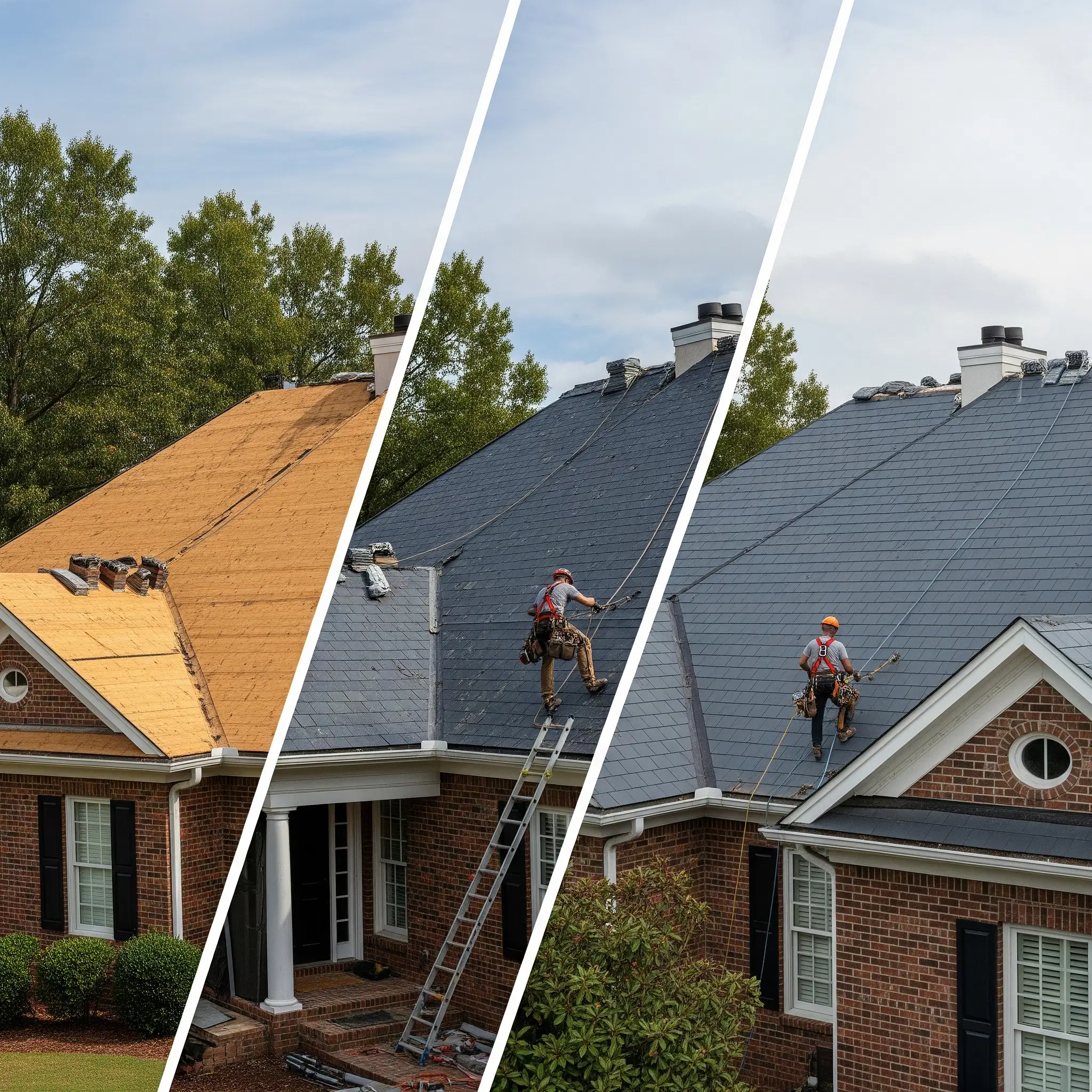
While a visual check is a great start, nothing beats the trained eye of a professional. A certified roofer can identify subtle issues that are invisible to the untrained eye and can safely get on the roof to assess its true condition. This is the most effective way to ensure your home is truly protected.
A professional residential inspection goes beyond the surface. At NorCrest Roofing, our comprehensive inspections include:
- A Detailed Shingle and Flashing Assessment: We check the integrity of every component of your roofing system.
- Attic Examination: Proper insulation and ventilation are critical for preventing ice dams. We check to ensure your attic can breathe correctly, which helps regulate the temperature of your roof deck and stop the cycle of melting and refreezing snow.
- Structural Check: We look for signs of sagging or weakness that could be compromised under a heavy snow load.
Scheduling an inspection in the fall allows you to catch potential problems early, preventing the need for an emergency roof repair in the middle of a January cold snap.
Step 4: Don't Delay Necessary Repairs
If your inspection uncovers any issues, it is crucial to address them before winter sets in. A small leak can quickly escalate when water freezes and expands in a crack, a process known as a freeze-thaw cycle. What might be a simple fix in October can become a complex and expensive interior and exterior repair by February. Roofing materials also perform best when installed in moderate temperatures, making fall the ideal season for repairs. Waiting until winter can not only lead to more extensive damage but also make the repair process more challenging and costly.
Protect Your Home with NorCrest Roofing
Preparing your roof for a Saskatchewan winter is one of the most important maintenance tasks a homeowner can undertake. By following these steps—clearing debris, performing a visual check, and investing in a professional inspection—you can rest easy knowing your home is secure, dry, and ready for the season.
Don't leave your home's safety to chance. If you have any concerns about your roof's condition or want to schedule a pre-winter residential inspection or commercial inspection in the Regina area, the expert team at NorCrest Roofing is here to help. Contact us today to ensure you have complete peace of mind this winter.