After the Thaw: Your Essential Spring Roof Maintenance Checklist
The snow is finally melting across Regina, and with the arrival of spring comes the annual list of home maintenance tasks. After a long, harsh Saskatchewan winter, your roof deserves to be at the top of that list. The heavy snow, damaging ice damming, and the freeze-thaw cycles caused by the occasional chinook can take a significant toll on your home's first line of defense.
Performing a thorough check-up now is the best way to catch small, manageable issues before they evolve into costly, stressful problems down the road. At NorCrest Roofing, we believe in empowering homeowners with the knowledge to protect their investment. This guide will walk you through the essential steps for spring roof maintenance, helping you ensure your home is secure for the seasons ahead.
1. Start with a Ground-Level Inspection
You can learn a lot about your roof's condition without ever leaving the ground. A careful walk around your property is the safest and easiest place to begin your inspection. Here’s what to keep an eye out for:
- Gutters and Downspouts: Look for sagging, bent, or detached gutters. Heavy snow and ice can pull them away from the house, preventing proper drainage. Also, check the ground around your downspouts for an excessive amount of shingle granules, which look like coarse black sand. This can be a sign that your shingles are aging and losing their protective layer.
- Shingles on the Ground: The notorious prairie winds can be powerful enough to lift and detach shingles. Finding one or two in your yard after a storm is a clear indicator that your roof needs immediate attention.
- Soffit and Fascia: Examine the boards under your roof's overhang (soffit) and the trim along the roofline (fascia). Look for water stains, peeling paint, or signs of rot. This can indicate that water is getting behind your gutters, often as a result of ice damming during the winter.
2. A Closer Look: Shingles, Vents, and Flashing
After your initial walk-around, it’s time to look more closely at the surface of the roof itself. While we strongly advise against getting on your roof yourself for safety reasons, you can spot many potential issues from a securely placed ladder or even with a pair of binoculars.
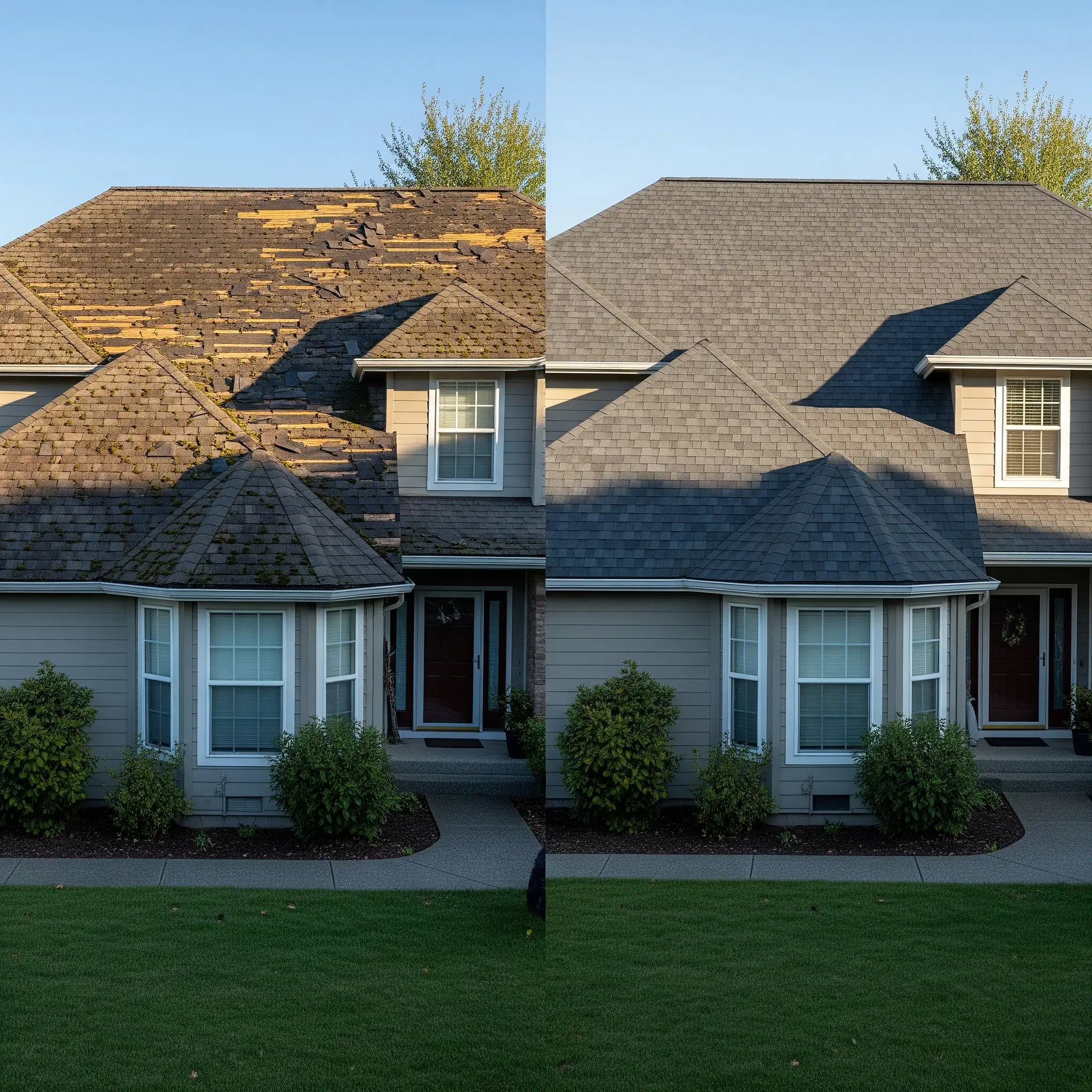
- Shingle Condition: Look for shingles that are curling at the edges, cracked, or blistering. These are signs that they are nearing the end of their lifespan and are less effective at keeping water out.
- Flashing Integrity: Flashing is the metal material installed around chimneys, vents, and skylights to seal the seams. This is one of the most common areas for leaks to develop. Check for any signs of rust, lifting, or gaps in the sealant.
- Debris and Growth: Piles of leaves, branches, or moss can trap moisture against the roof surface, which accelerates wear and can lead to rot. Gently clearing this debris is important for the longevity of your shingles.
If you spot missing shingles or damaged flashing, it's crucial to schedule a professional roof repair to prevent water from penetrating the roof deck.
3. Head Indoors: The Attic Inspection
Some of the most serious roofing problems are only visible from the inside. A quick trip into your attic can reveal hidden issues before they cause significant damage to your home's interior.
Grab a flashlight and look for:
- Signs of Water Stains: Check the underside of the roof sheathing for dark streaks or stains, which indicate an active or past leak.
- Damp or Compressed Insulation: Wet insulation is ineffective and can be a breeding ground for mould and mildew. Look for areas that appear matted down or feel damp to the touch.
- Visible Daylight: On a bright day, turn off your flashlight. If you can see any slivers of daylight coming through the roof, you have a problem that needs immediate attention.
These interior signs often point to issues that a simple visual check from the outside might miss. Catching them early can be the difference between a minor repair and a major roof replacement.
4. Know When to Call a Professional
A DIY inspection is a great first step, but it can't replace the trained eye of an experienced roofing contractor. A professional has the expertise and safety equipment to conduct a comprehensive assessment of your entire roofing system. They can identify subtle signs of hail damage, assess the structural integrity, and check for adequate ventilation—all critical factors for a roof's health in our climate.
At NorCrest Roofing, we provide thorough and transparent residential roof inspections. We believe in giving you a clear, honest assessment of your roof's condition so you can make informed decisions with complete peace of mind. Our goal is to ensure your roof is prepared to handle everything from summer thunderstorms in Hail Alley to the next heavy snowfall.
Don't let winter's damage become a springtime crisis. If your inspection reveals any areas of concern, or if you'd simply prefer a professional evaluation, we're here to help. Contact NorCrest Roofing today for a free estimate on our roofing services in Regina and Saskatoon. Let's make sure your home is protected for every season to come.