Protecting Your Regina Roof: A Homeowner's Guide to Snow and Ice Damage
A Saskatchewan winter has a certain beauty to it—the quiet of a fresh snowfall, the sparkle of frost on the trees. But for homeowners, that picturesque scene can also bring a sense of unease. The weight of heavy snow, the relentless prairie winds, and the formation of destructive ice dams can pose a significant threat to your home's most critical protector: your roof. Understanding how to prevent and manage winter roof issues is essential for safeguarding your investment and ensuring your family stays warm and dry.
Here in Regina, we're no strangers to harsh winter weather. At NorCrest Roofing, we've seen firsthand the kind of damage that snow and ice can inflict. This guide will walk you through the common winter threats to your roof, proactive steps you can take for prevention, and how to safely manage problems when they arise.
Understanding the Threat: How Snow and Ice Damage Your Roof
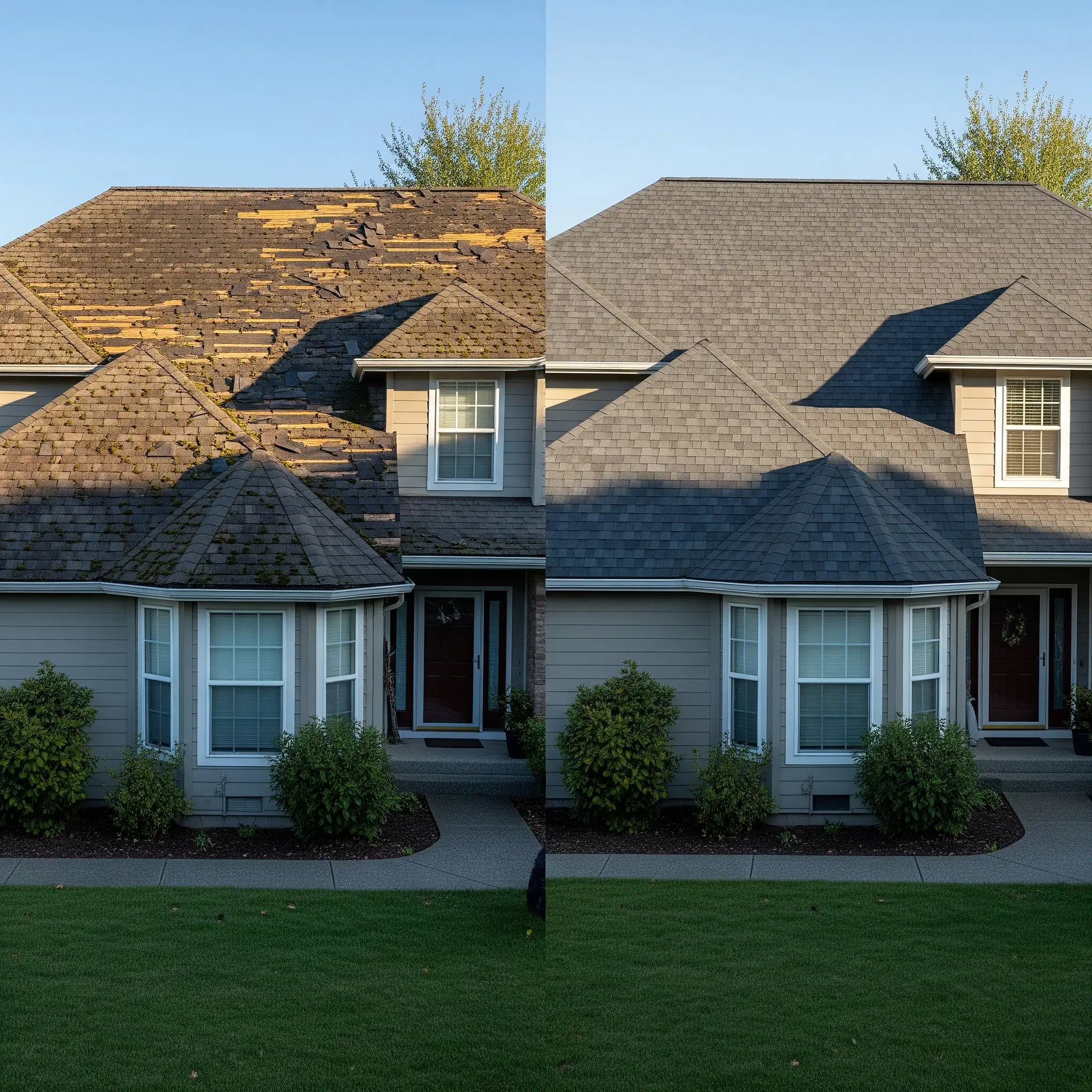
Winter roof damage isn't just about a few pretty icicles. The real problems are often hidden, developing slowly and leading to costly repairs. Here are the primary culprits every homeowner should be aware of:
1. Ice Damming: The Silent Menace
This is one of the most common and destructive winter roofing problems. An ice dam is a ridge of ice that forms at the edge of a roof, preventing melting snow (water) from draining off. It happens when heat escaping from your attic warms the underside of the roof, melting the snow. This water runs down to the colder eaves, where it refreezes. As this cycle continues, the dam of ice grows, and a pool of water forms behind it.
This trapped water has nowhere to go but up, forcing its way under your shingles, through the roof deck, and into your attic. The result? Damaged insulation, rotting wood, and eventually, water stains on your interior ceilings and walls.
2. The Weight of Heavy Snow
A light, fluffy snowfall is usually no cause for concern. However, the heavy, wet snow common after a mild spell or a chinook can put immense structural stress on your roof. While most roofs are built to handle a significant load, excessive weight can lead to sagging, creaking, or in extreme cases, structural failure. It's crucial to be mindful of how much snow has accumulated, especially on older homes or those with low-pitched roofs.
3. The Freeze-Thaw Cycle
Saskatchewan's fluctuating temperatures create a damaging freeze-thaw cycle. Water from melting snow seeps into tiny cracks in your shingles and flashing. When the temperature drops again, this water freezes and expands, making those small cracks larger. Over a single winter, this repeated process can degrade your roofing materials, loosen shingles, and create pathways for leaks to develop come springtime.
Proactive Prevention: Your First Line of Defense
The best way to deal with winter roof damage is to prevent it from happening in the first place. Taking these steps in the fall can save you significant headaches and expense when the snow flies.
-
Prioritize Attic Insulation and Ventilation: This is the single most effective strategy against ice dams. A well-insulated attic floor prevents warm air from reaching the underside of your roof. Combined with proper ventilation (soffit and ridge vents), this keeps your roof deck cold, ensuring snow melts evenly from the sun, not from below. This simple balance is key to preventing the melt-and-refreeze cycle.
-
Clean Your Gutters and Downspouts: Before the first snowfall, ensure your gutters are completely free of leaves and debris. Clogged gutters are a primary contributor to ice dams, as they give meltwater nowhere to go, allowing it to freeze and build up at the roof's edge.
-
Schedule a Professional Inspection: The best time to find a small problem is before it becomes a big one. A pre-winter residential inspection from a qualified professional can identify and address potential vulnerabilities like loose shingles, damaged flashing around vents and chimneys, or worn-out sealant. It's a small investment that provides invaluable peace of mind.
What to Do When Winter Problems Arise
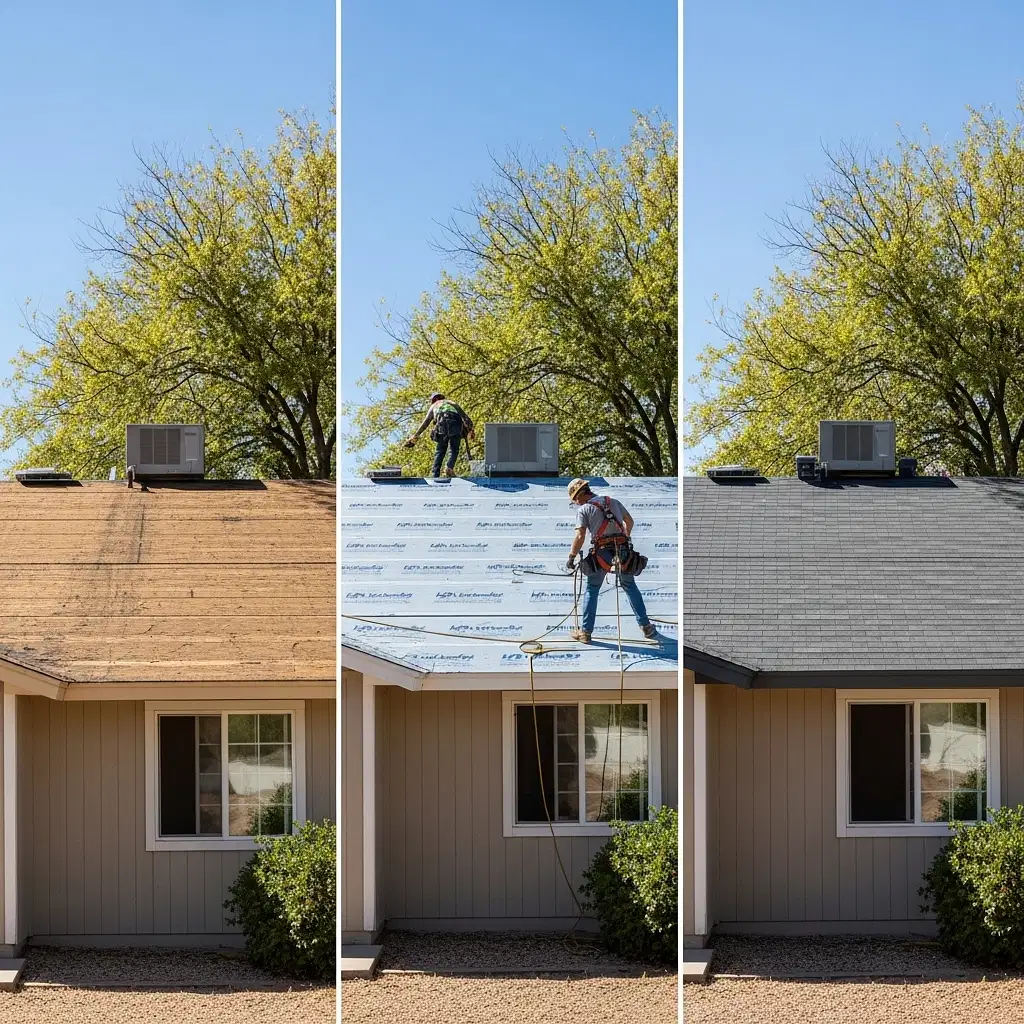
Even with the best preparation, you might still face challenges during a particularly harsh winter. If you notice significant snow or ice buildup, here’s how to approach it safely.
Safe Snow Removal
If you're concerned about the weight of snow on your roof, removal is an option, but it must be done with extreme caution. For single-story homes, a long-handled roof rake can be used from the ground to carefully pull snow off the eaves. Never use a metal shovel, pick, or chisel, as you will almost certainly damage your shingles. Avoid getting on the roof yourself, especially in icy conditions. The risk of a fall is simply too high.
Identifying and Addressing Ice Dams
If you see a thick band of ice along your gutters and large icicles forming, you have an ice dam. While it may be tempting to knock them down, this only removes the symptom, not the cause. Aggressively chipping away at the ice can easily damage your shingles and gutters.
When to Call the Professionals
For significant snow loads, established ice dams, or any signs of a leak, your safest and most effective option is to call a professional. Experienced roofers have the proper safety equipment and techniques to remove snow and ice without damaging your roof. If a leak has already started, they can perform an emergency roof repair to mitigate the damage until a more permanent solution can be implemented in better weather.
Don't Let Winter Win
Your roof is your home's first line of defense against the elements. By understanding the risks and taking proactive steps, you can help it do its job effectively all winter long. Prevention through proper maintenance and inspection is always the best strategy.
If you're concerned about your roof's condition this winter, have noticed signs of ice damming, or suspect you may have a leak, don't wait for the problem to get worse. Contact the trusted local experts at NorCrest Roofing. We provide thorough residential inspections and professional roof repair services throughout the Regina area to ensure your home is secure, no matter what a Saskatchewan winter throws at it.